Bristol/Fairchild
Bolingbroke Mk II
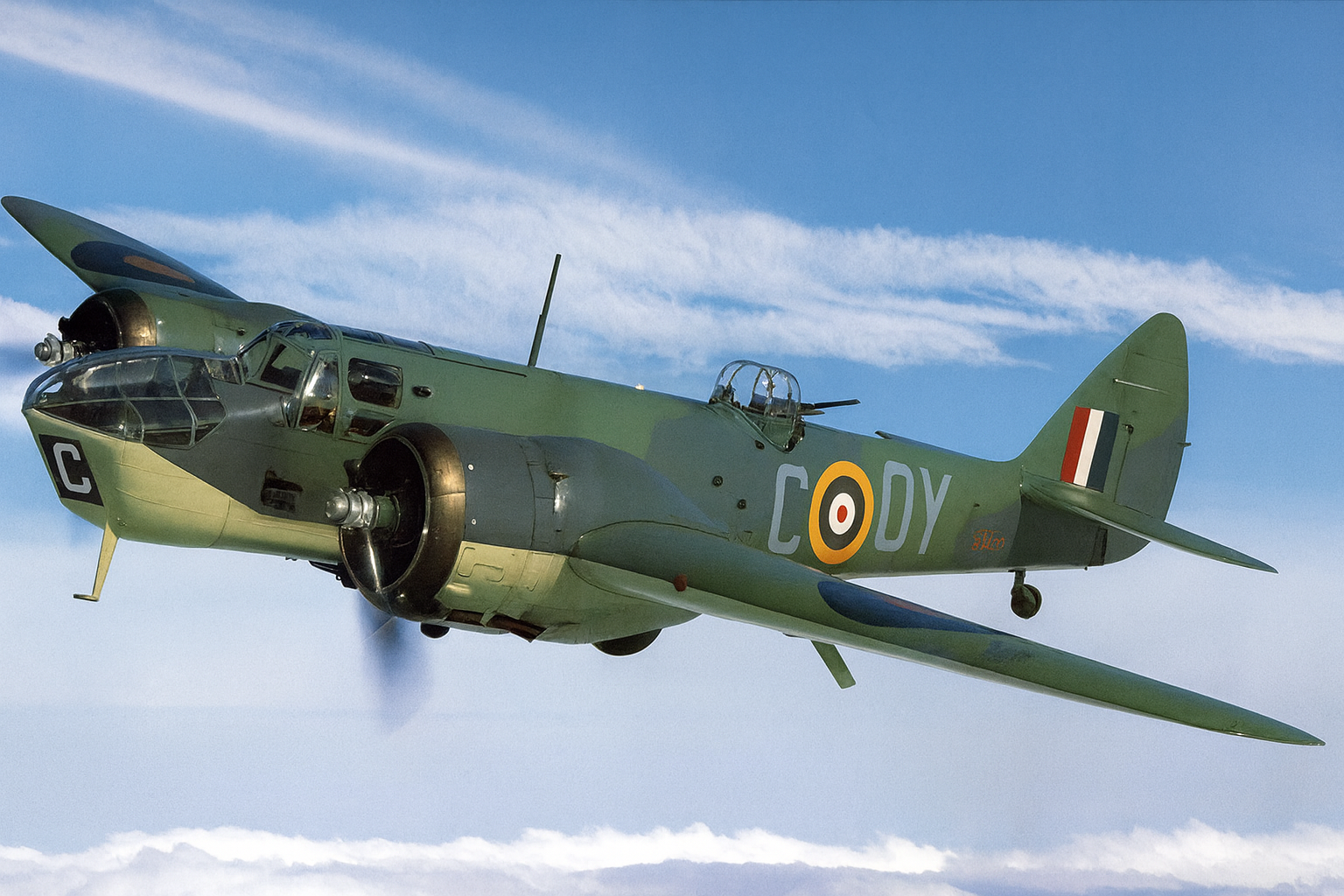
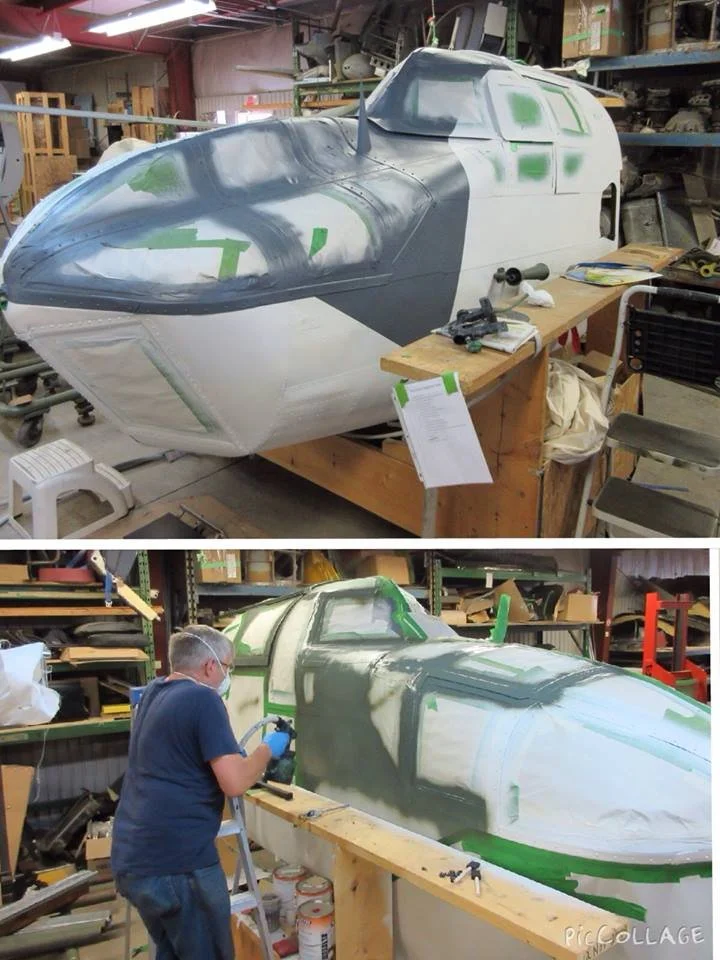
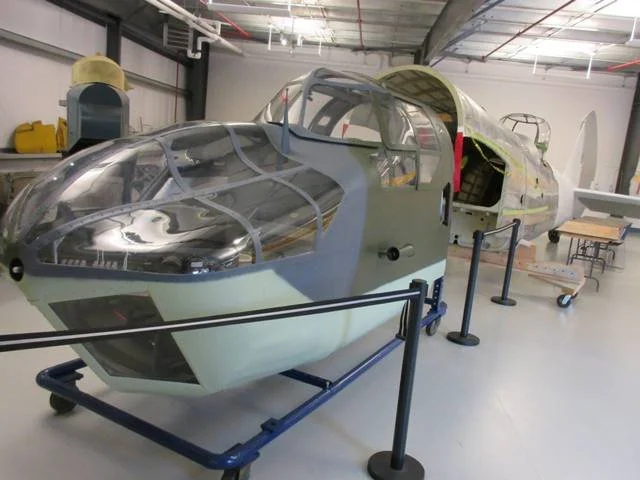
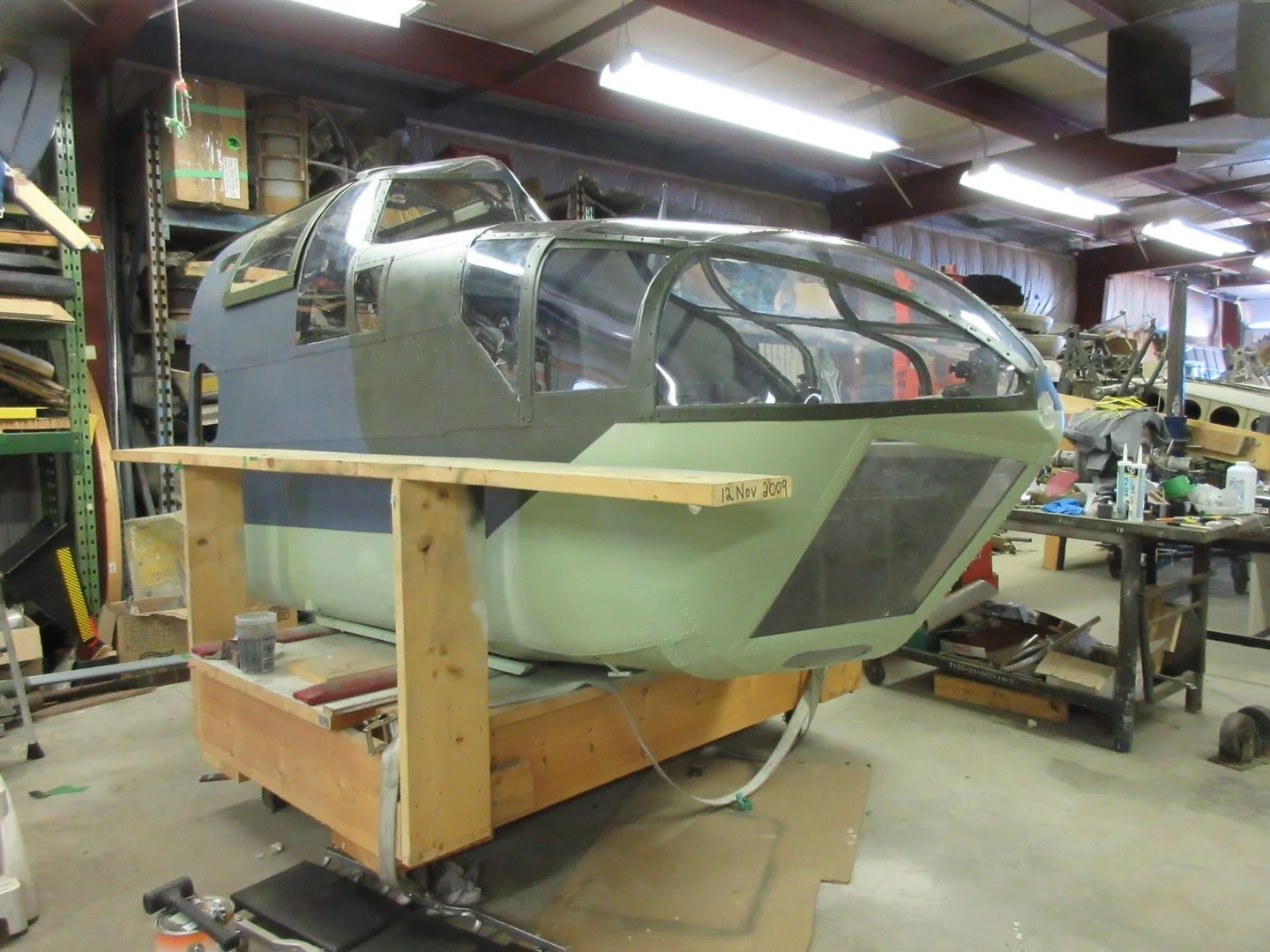
The Bolingbroke was Canadian-built and licensed from Bristol Aeroplane Company of England, where it was known as the Blenheim. More than 600 Bolingbrokes of various marks were built in Canada at Longueil, Quebec and used in the early days of WW II as fighters/light bombers and later as trainers. Canadian specifications required de-icing boots on the wing leading edges for the harsh Canadian winters, larger fuel tanks for greater range, a dinghy for water survival, and American/Canadian instruments. A 3-foot extension to the nose of the Mark I was designed to house a bombardier. This modification required two large slanting windows for the bomb aimer and a scooped out section in front of the pilot to aid his vision during take-off and landing, giving the Bolingbroke its distinctive nose section.
Many of the bomber versions were operated in western Canada and in the Aleutians against the Japanese threat in the early 1940’s. In eastern Canada, the aircraft were used in submarine hunting and maritime reconnaissance. At R.C.A.F. Station Greenwood, Bolingbrokes provided training for pilots, gunners, navigators and bombardiers as part of the British Commonwealth Air Training Plan and, later, used as target tugs pulling drogues for Mosquito and Hurricane pilot and gunnery training.
The first all-metal, stressed aluminum aircraft built in Canada, the Bolingbroke also was one of the first aircraft to incorporate variable-pitch propellers and retractable landing gear. With its versatility, the aircraft evolved into one of the first multi-role platforms.
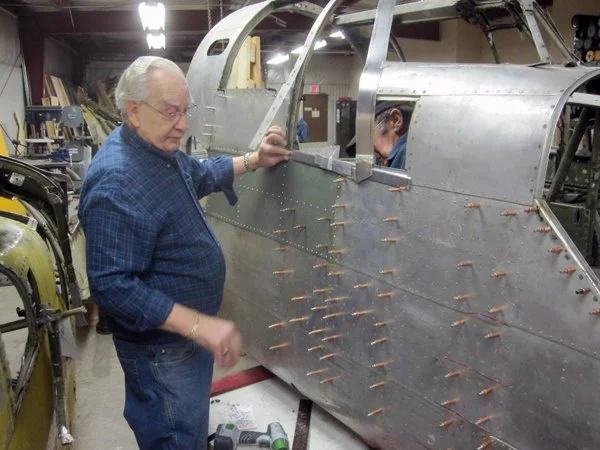
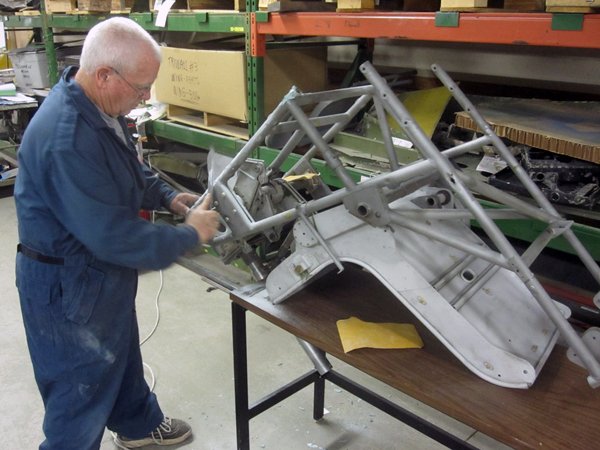
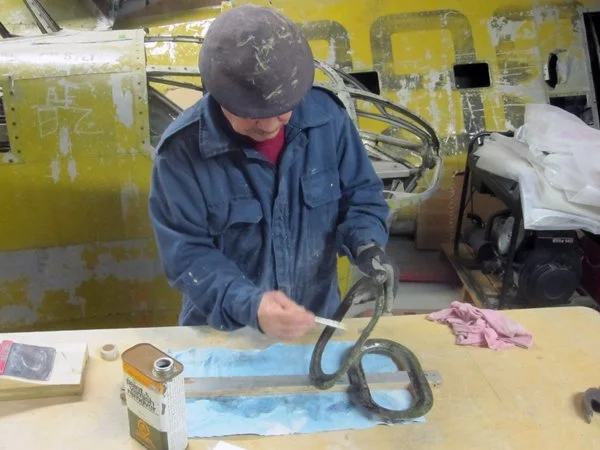
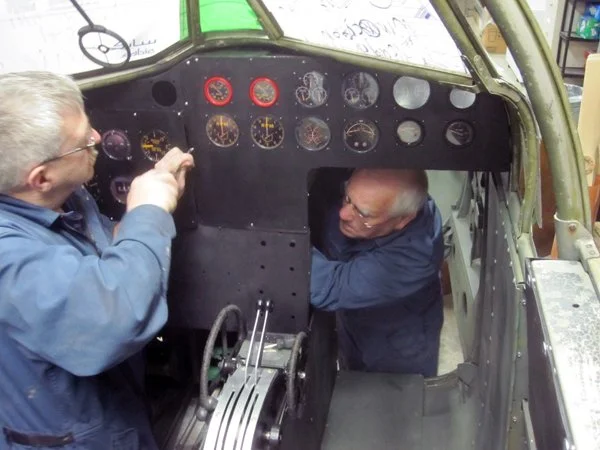
Restoration
On April 28, 1943 “Boly” 9997, flown by Flight Sergeant T. Blackburn and Leading Aircraftman F. Fitzsimmons, landed wheels-up at Bombing and Gunnery School Dafoe, Saskatchewan. The aircraft was damaged beyond repair and was subsequently used for spare parts. "Engine cut in circuit, cut out of single-engine approach by another aircraft, belly-landed DBR”. (“The Bristol Blenheim – A complete history” by Graham Warner). Both airmen were unhurt. RCAF Station Dafoe was #5 B & G School from January 1941 to January 1945. Located 150 km north of Regina, it trained 131,553 bomb aimers and air gunners.
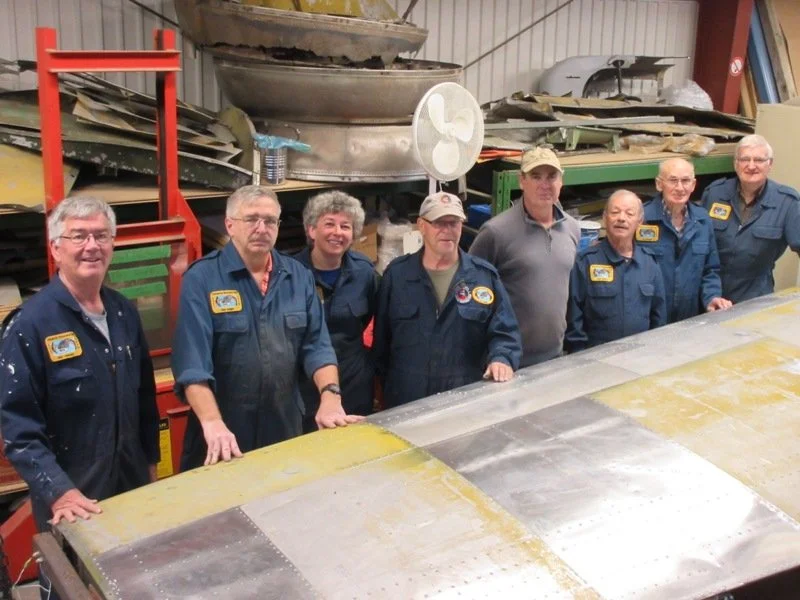
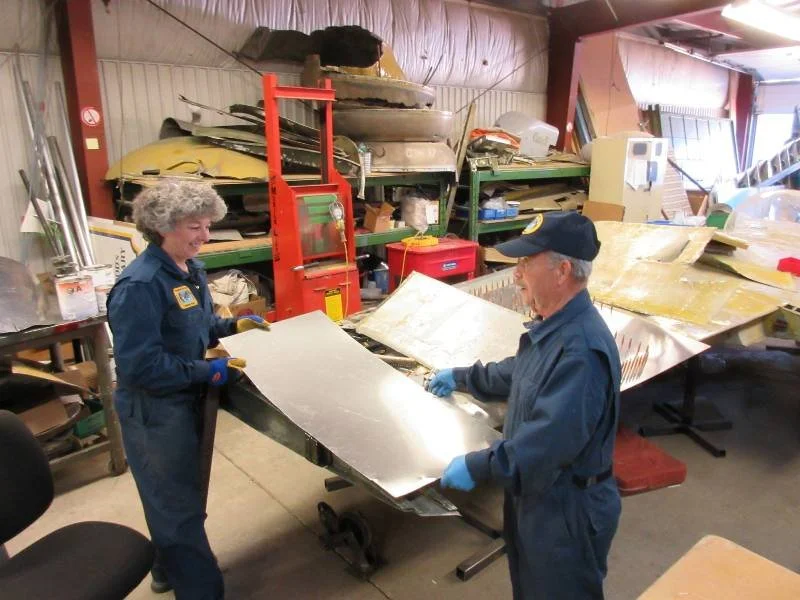
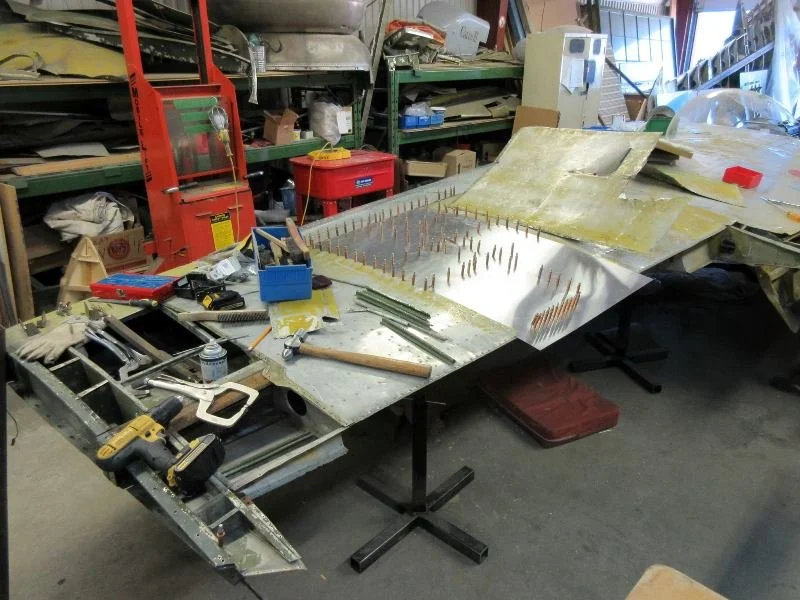
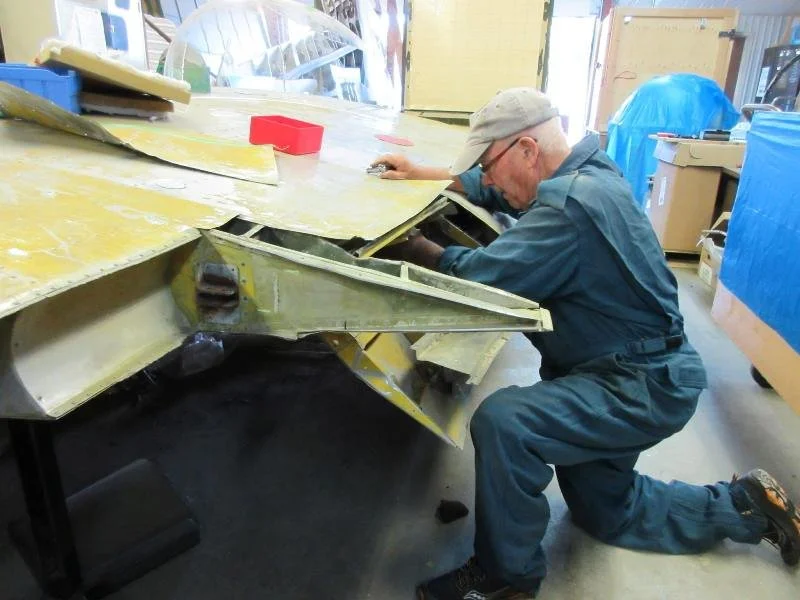
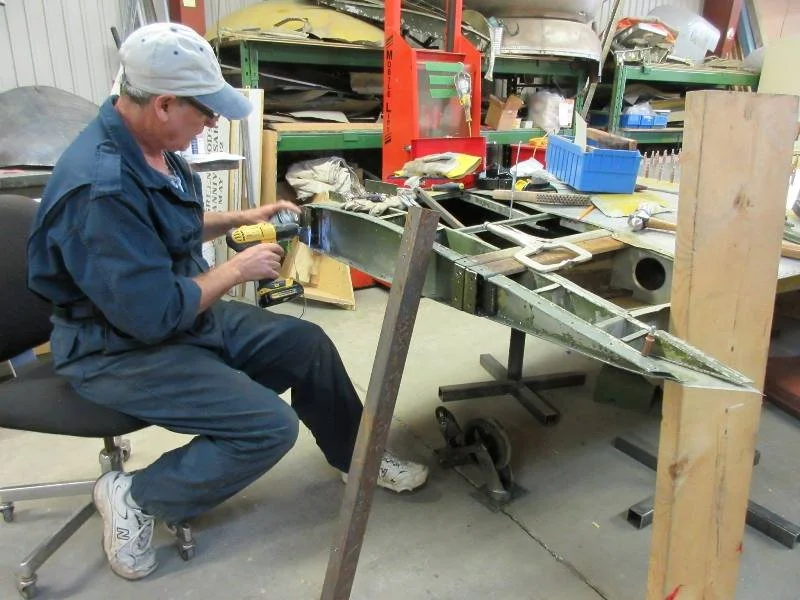
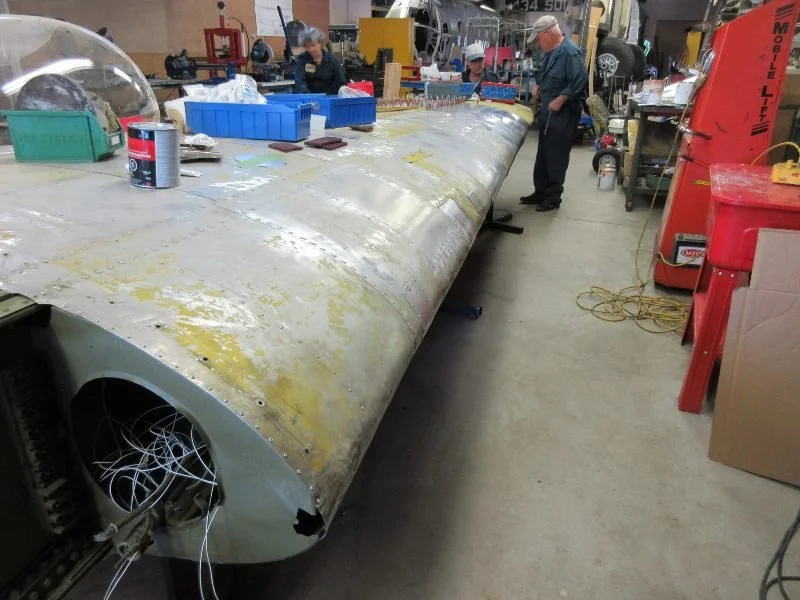
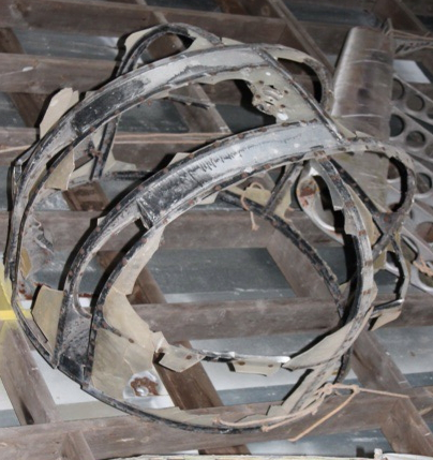
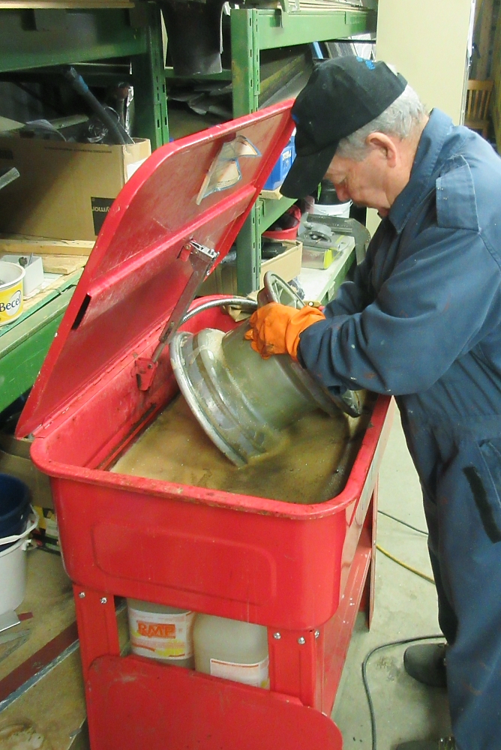
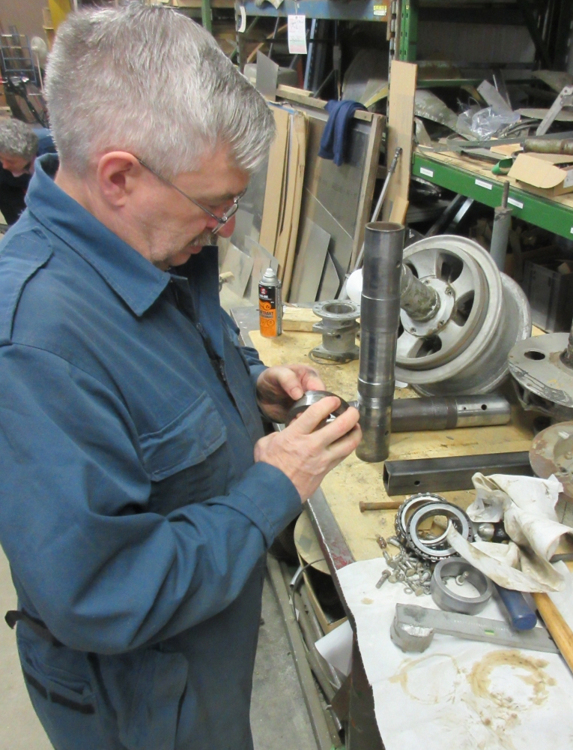
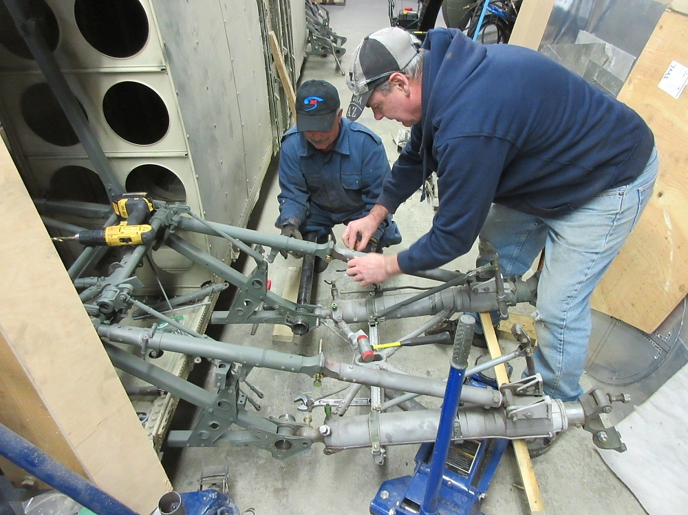
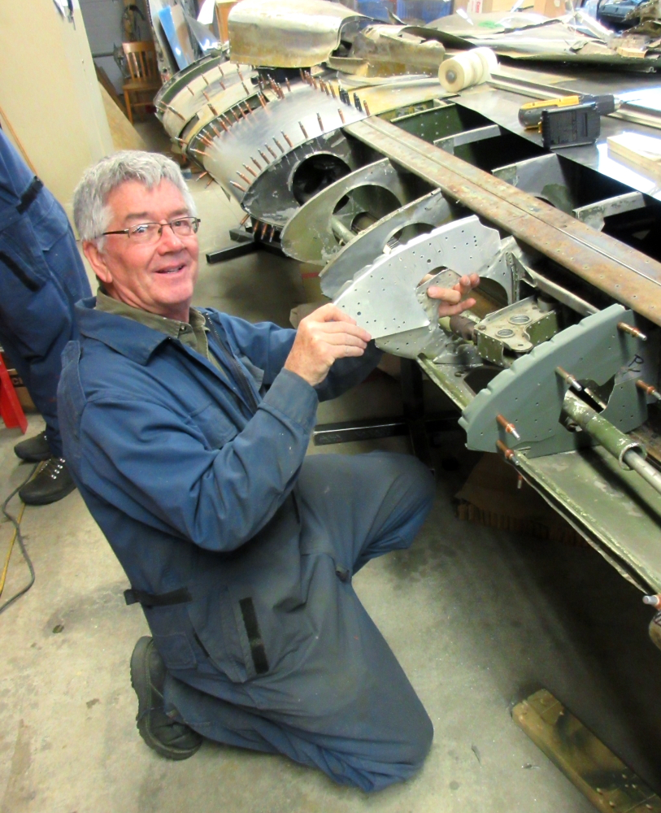
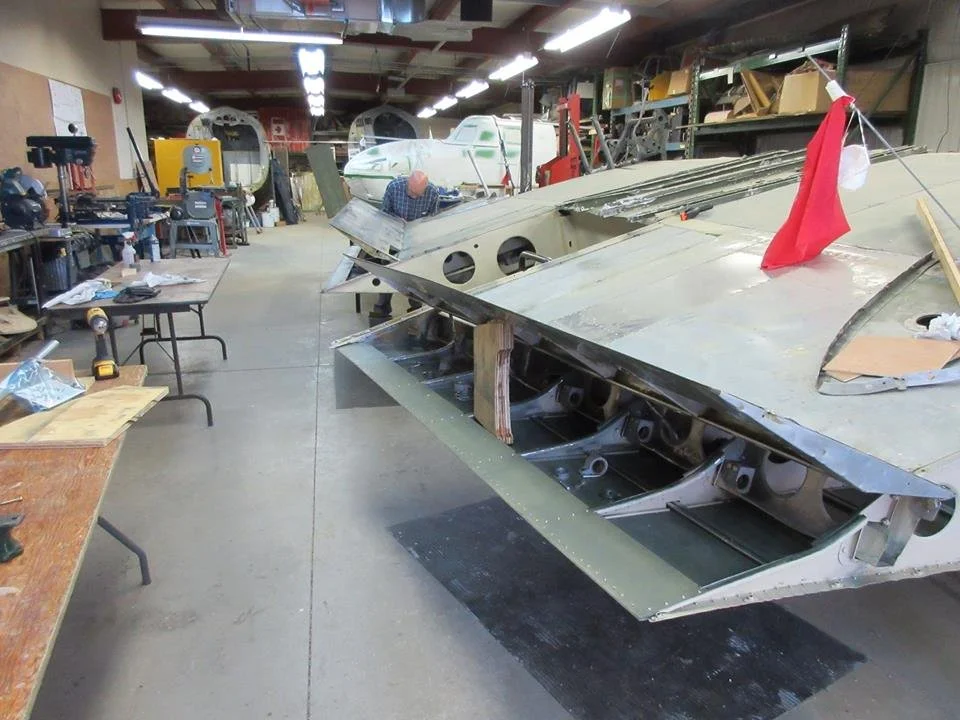
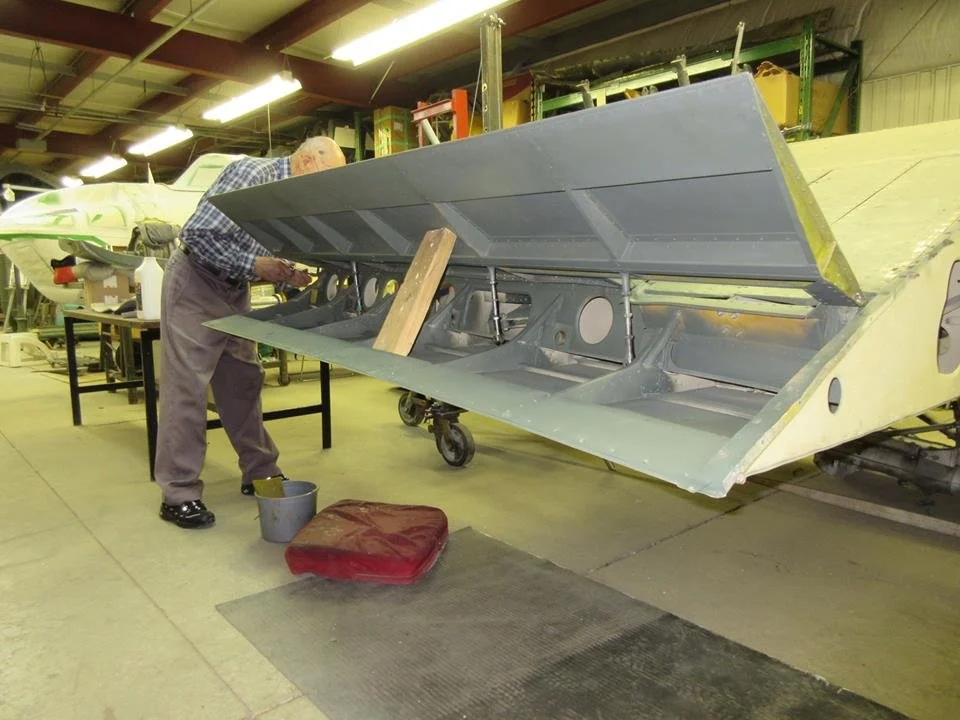
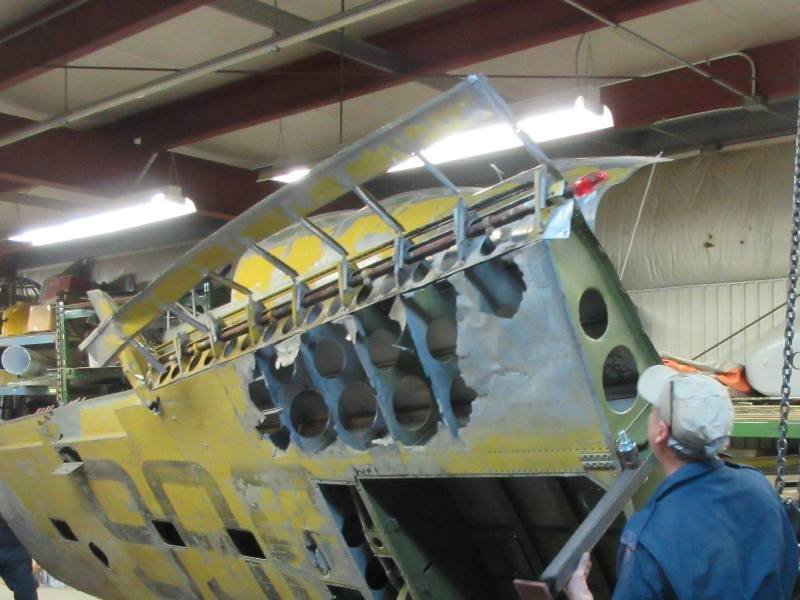
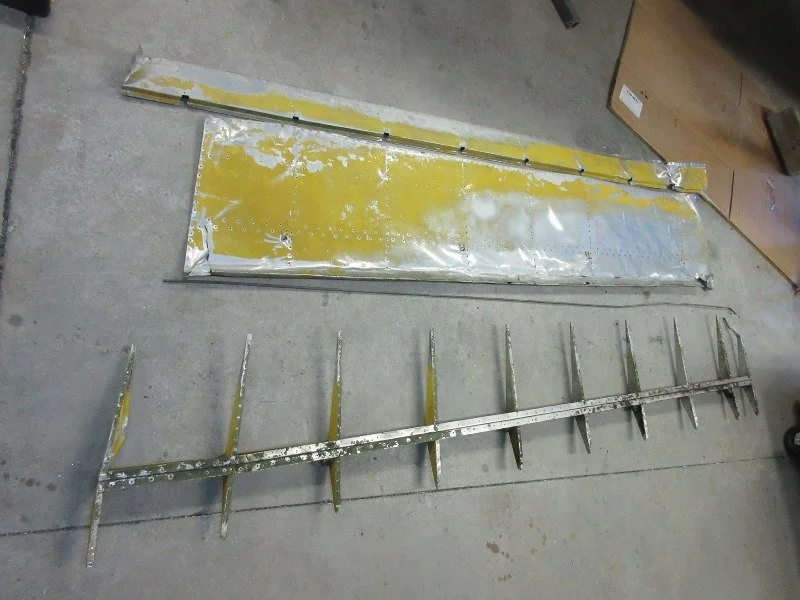
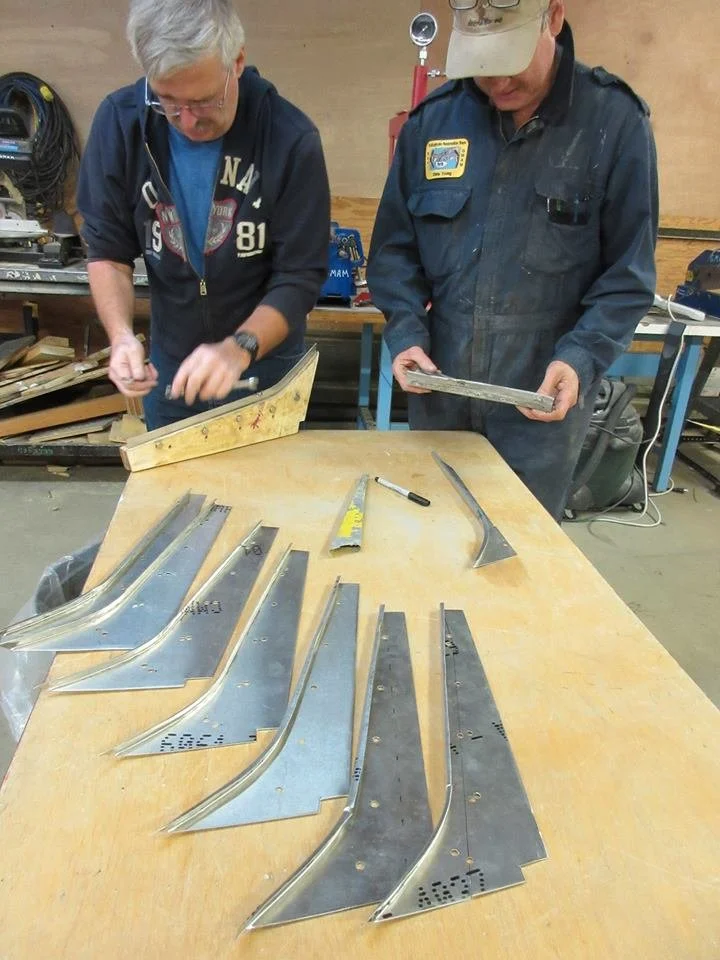
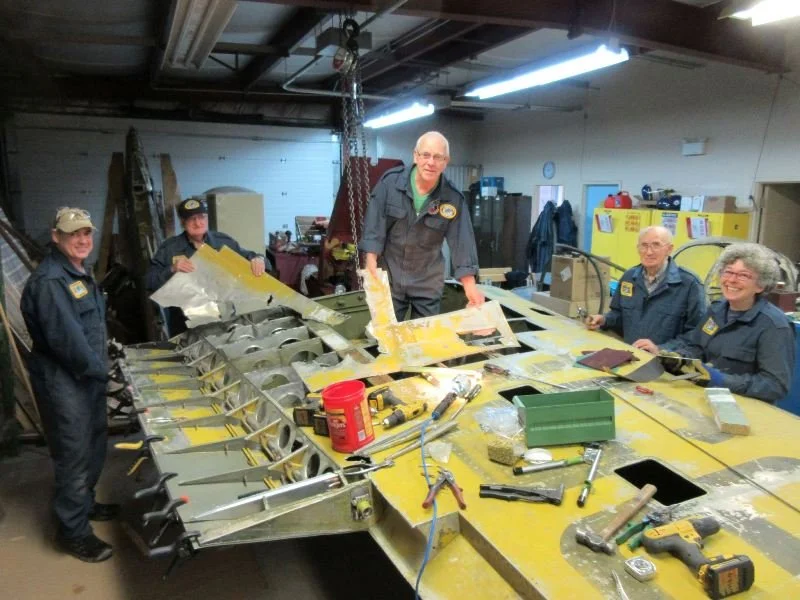
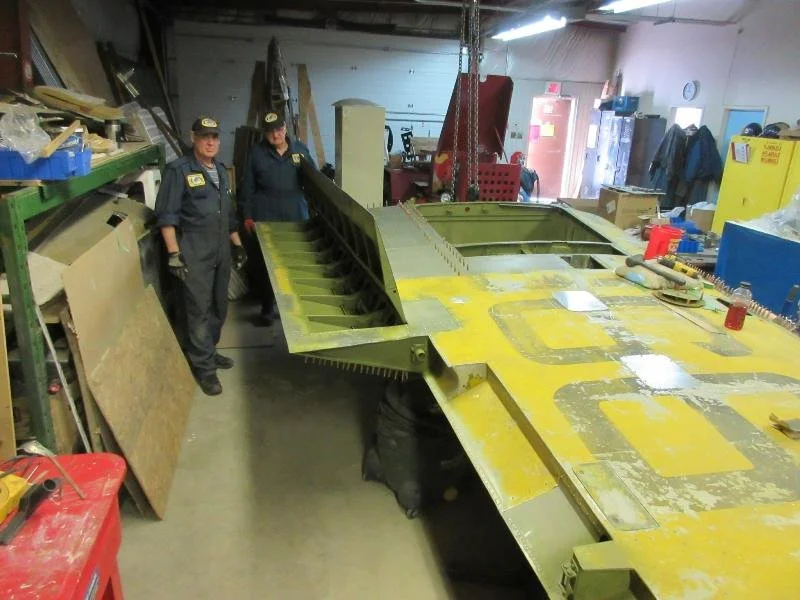
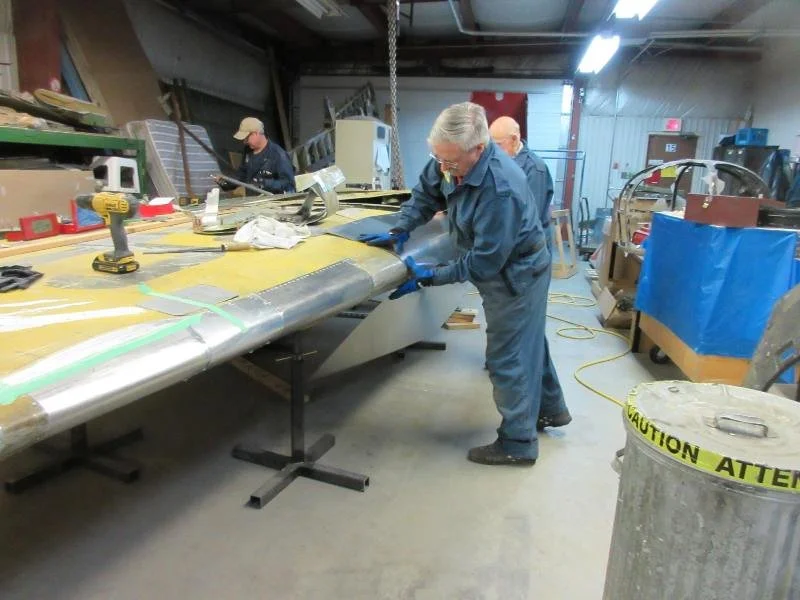
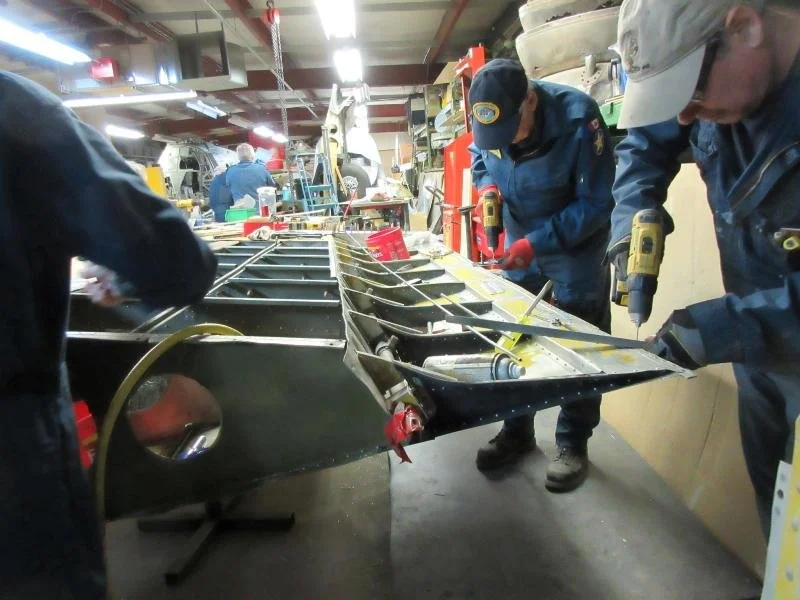
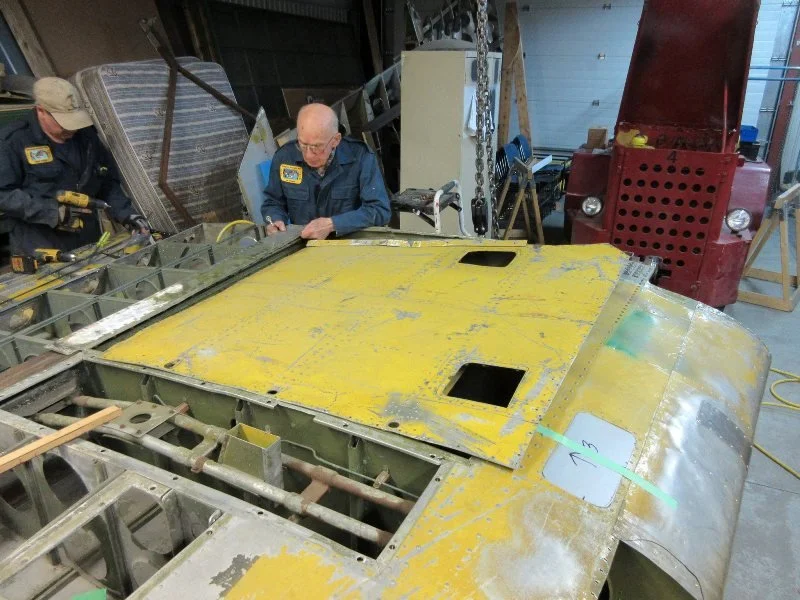
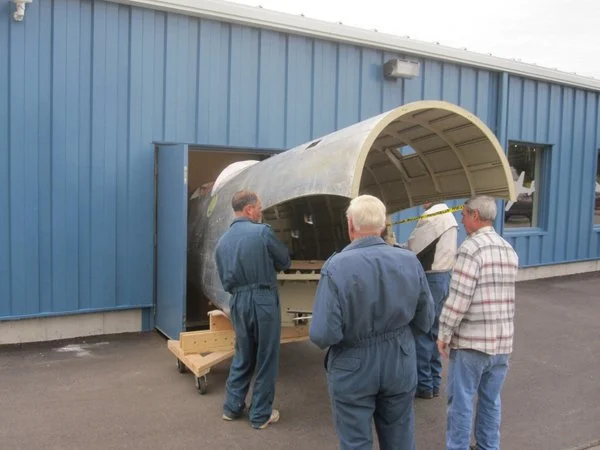
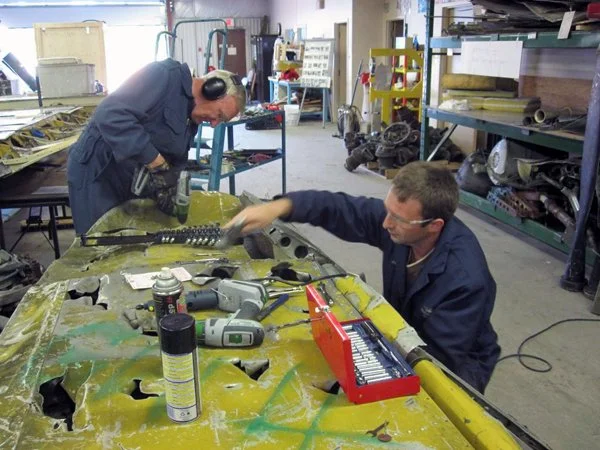
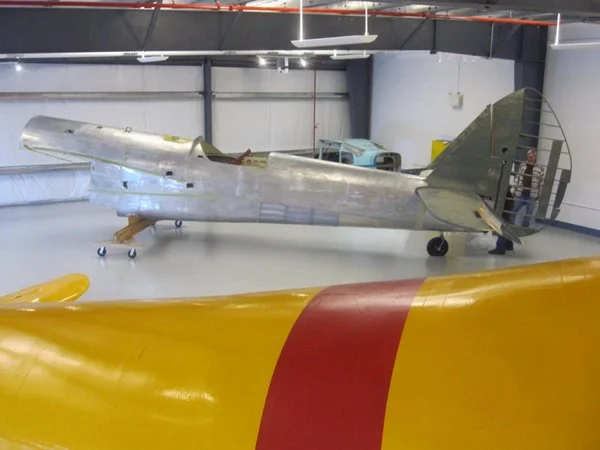
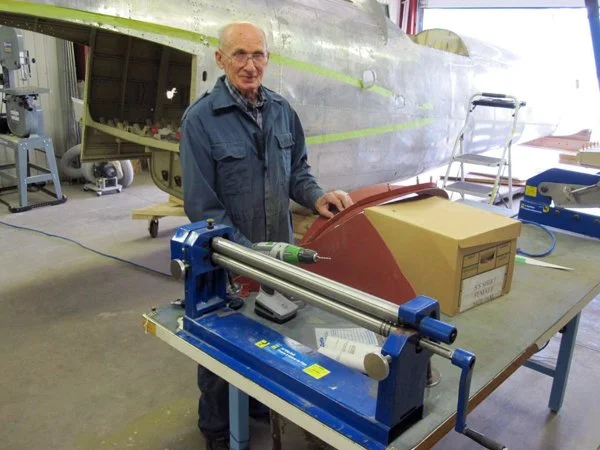
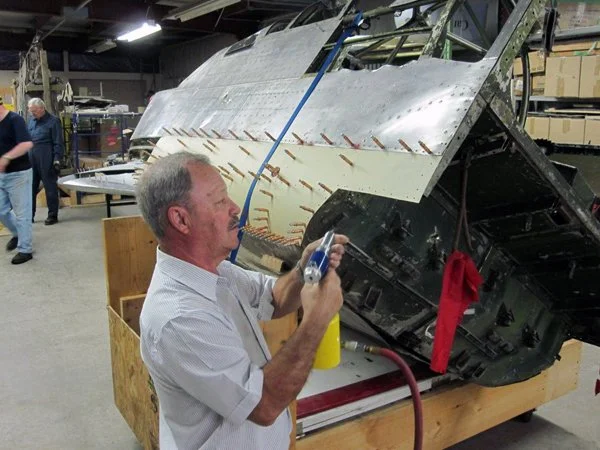
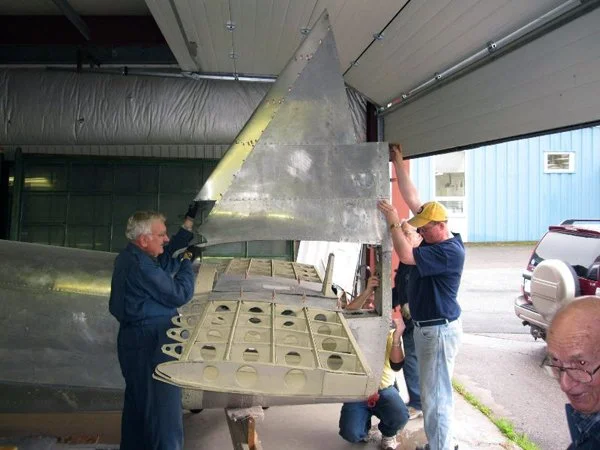
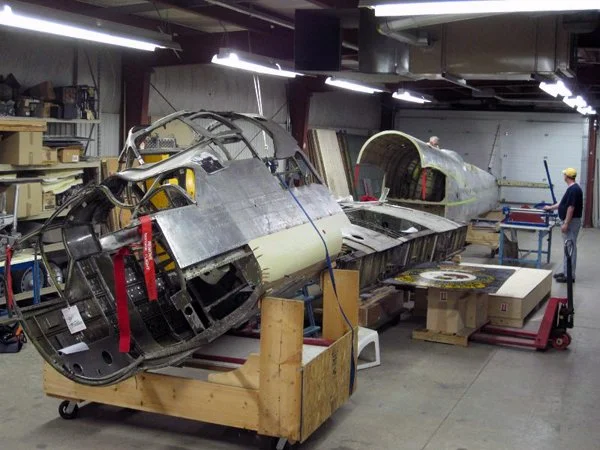
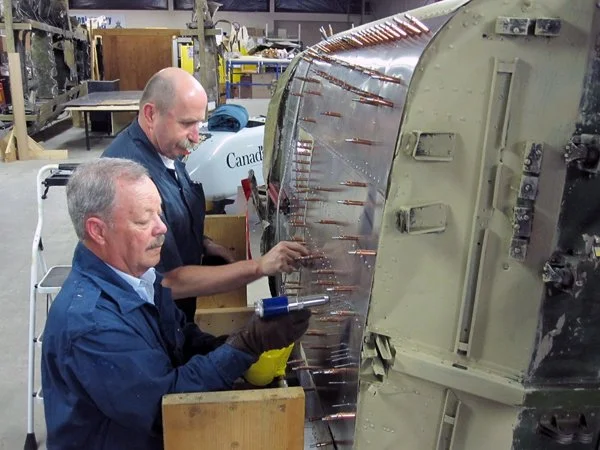
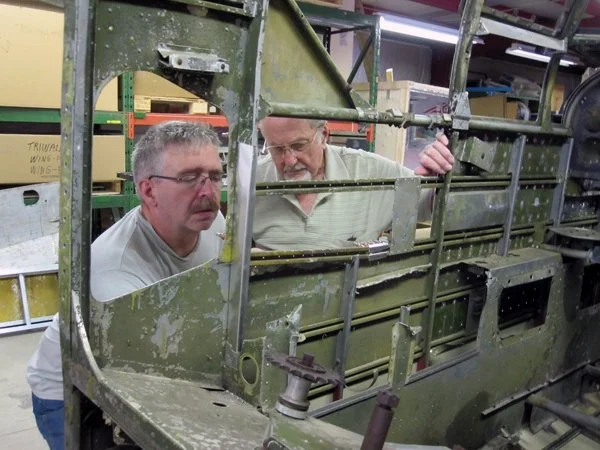
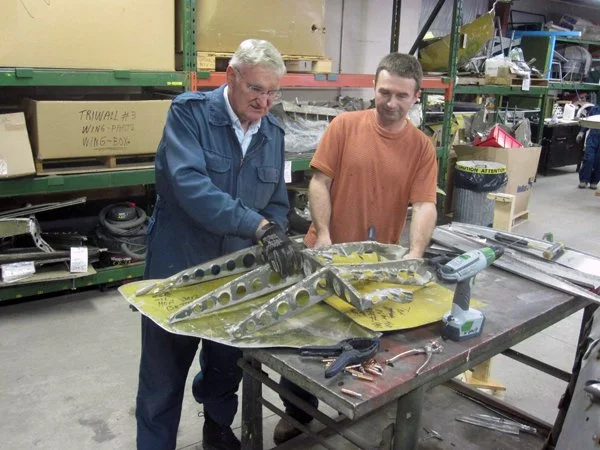
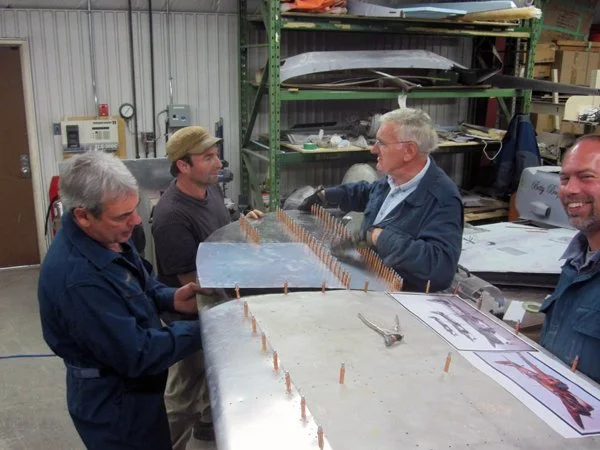
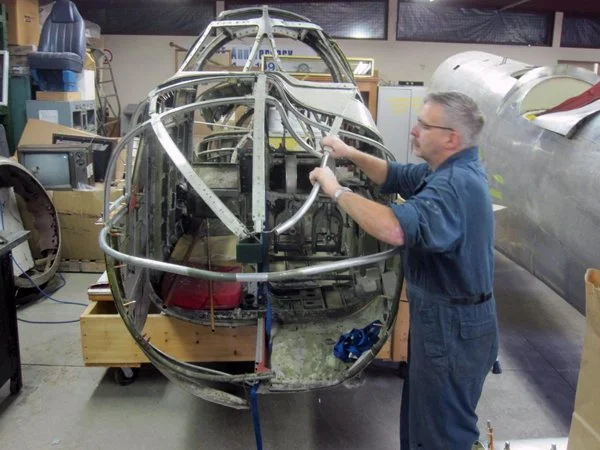
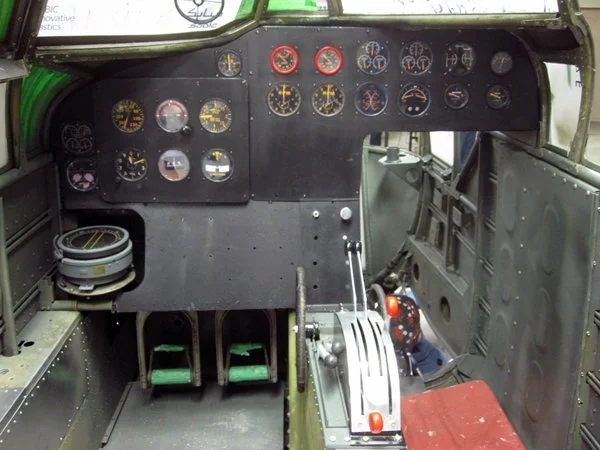
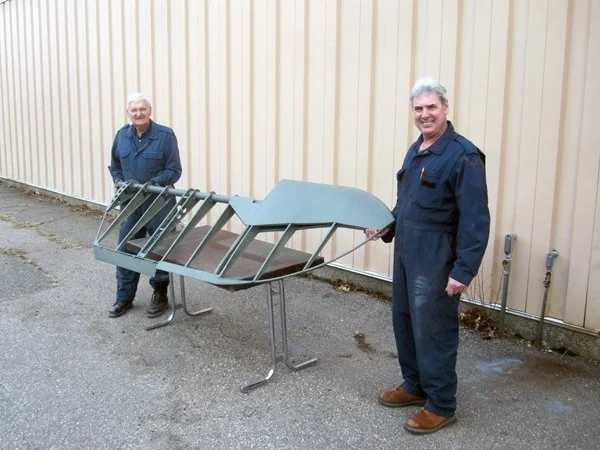
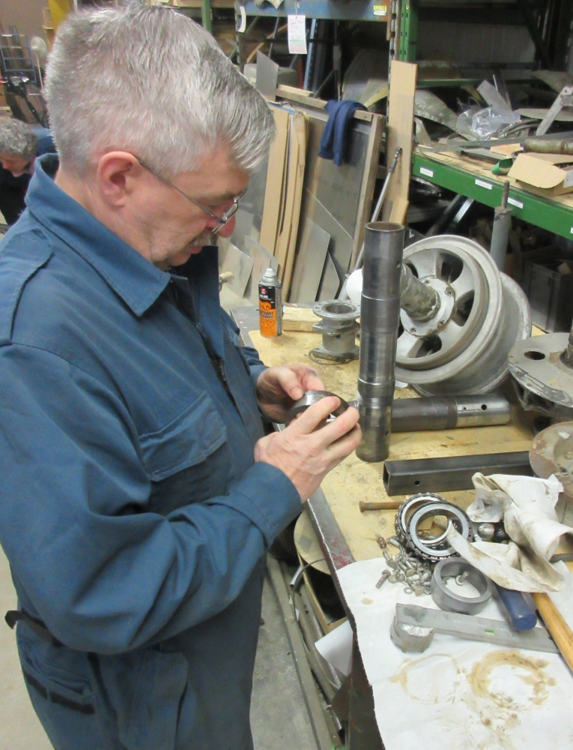
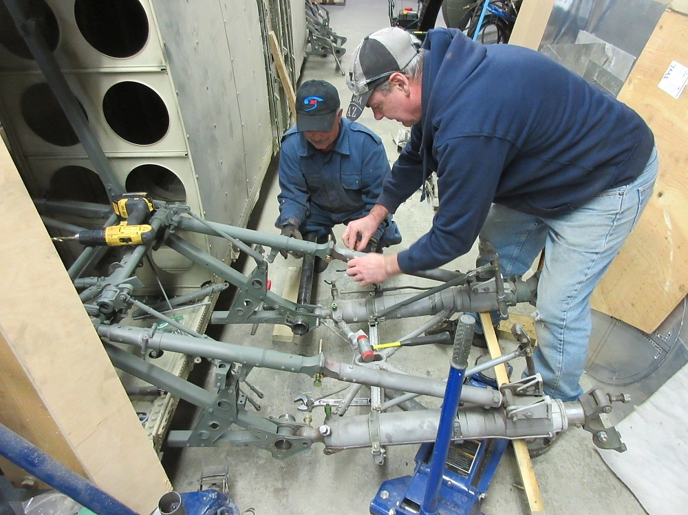
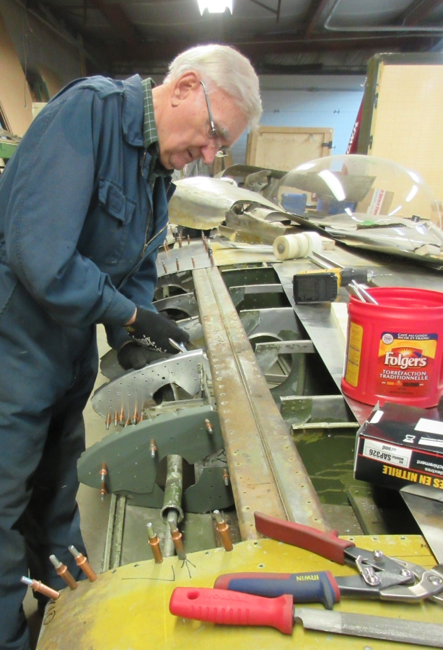
The Museum’s aircraft is a Mark IV-T (Training) version, registered as number 9997. Bolingbroke 9997 was donated to the Greenwood Military Aviation Museum (GMAM) by the Reynolds Heritage Preservation Foundation of Wetaskiwin, Alberta. Original wings from 9997 were corroded beyond repair; another set of wings from a different aircraft was donated by Bomber Command Museum, Nanton, Alberta. Lying in a farm field near Dauphin, Manitoba on the edge of a swamp, where it had lain for about 60 years, the aircraft proved to be difficult to extricate. Finally brought to Greenwood in the fall of 2009, “Boly” 9997 began its long restoration.
Greenwood Bolingbroke’s: Bolingbroke aircraft recorded at RAF/RCAF Station Greenwood: #10210, #9183, #9184 and #9096 (which crashed into the Bay of Fundy at Port George 4 April 1945.
War History
Aircraft Specifications
Roles: Bomber/Fighter/Trainer/Float-plane
Number built in Canada for the RCAF: 626 Bolingbroke
Manufacturer: Fairchild Aircraft Ltd., Longueil, Quebec
Crew of three: Pilot, Wireless/Air-Gunner, Navigator/Bomb Aimer
Powerplants: two 920 horsepower Bristol Mercury XV or two 750 horsepower Pratt and Whitney Twin Wasp Jr radial engines
Maximum speed: 262 miles per hour (422 kilometres per hour)
Cruising speed: 220 miles per hour (362 kilometres per hour)
Service ceiling: 28,400 feet (8,660 metres)
Range: 1,400 miles (2,253 kilometres)
Empty weight: 8,963 pounds (4,065 kilograms)
Gross weight: 14,500 lb (6,576 kilograms)
Wingspan: 56 ft 4 in (17.17 metres)
Height: 9 feet 1 inch. (2.77 metres)
Length: 42 feet 9 inches (13.03 metres)
Armament: Provisions for one fixed forward and one flexible .303 calibre machine guns and up to 1,000 pounds (454 kilograms) of bombs